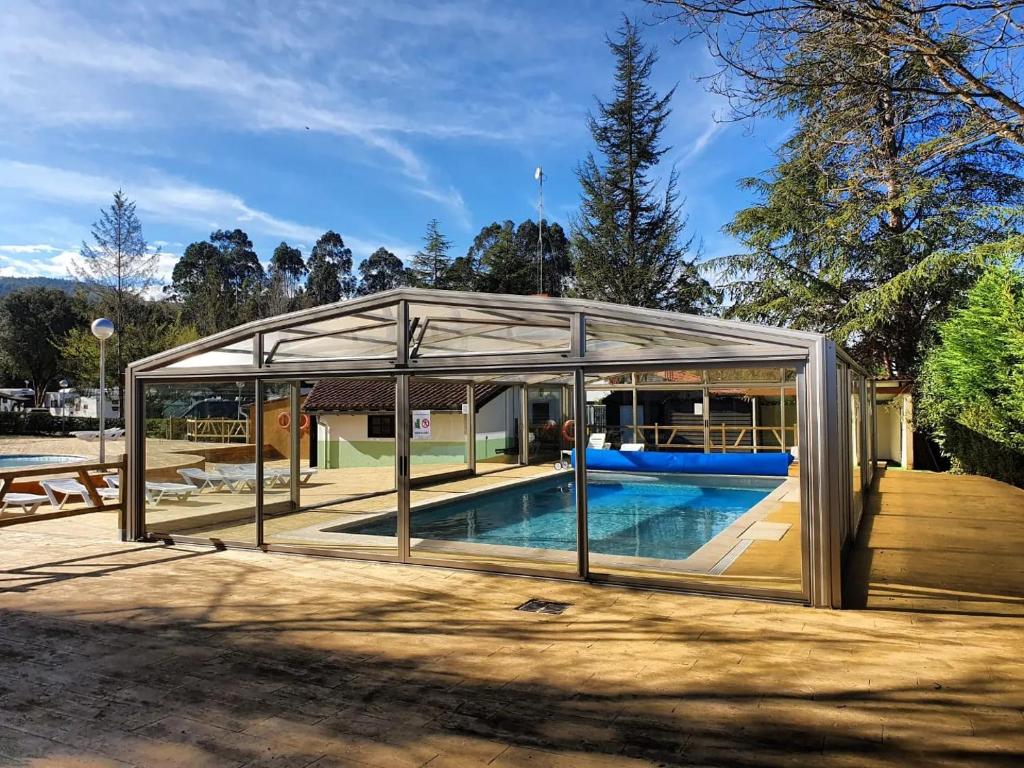
Campsite · Ruiloba
Camping El Helguero
Campsite in Ruiloba, 4 km from Comillas, with wooden bungalows with private bathroom and equipped kitchen, outdoor pool and playground in northern Cantabria.
chosen with care
2 places to stay: campsites in Cantabria.
Most campsites in Cantabria are on the coast, between the beaches of Trasmiera and the long sands to the west, with a few exceptions in Liébana and the interior. Many offer pitches for a tent or caravan, and some may also have fixed accommodation: check with each campsite. Not all of them open the whole year, so confirm dates before you plan the trip.
Campsite · Ruiloba
Campsite in Ruiloba, 4 km from Comillas, with wooden bungalows with private bathroom and equipped kitchen, outdoor pool and playground in northern Cantabria.
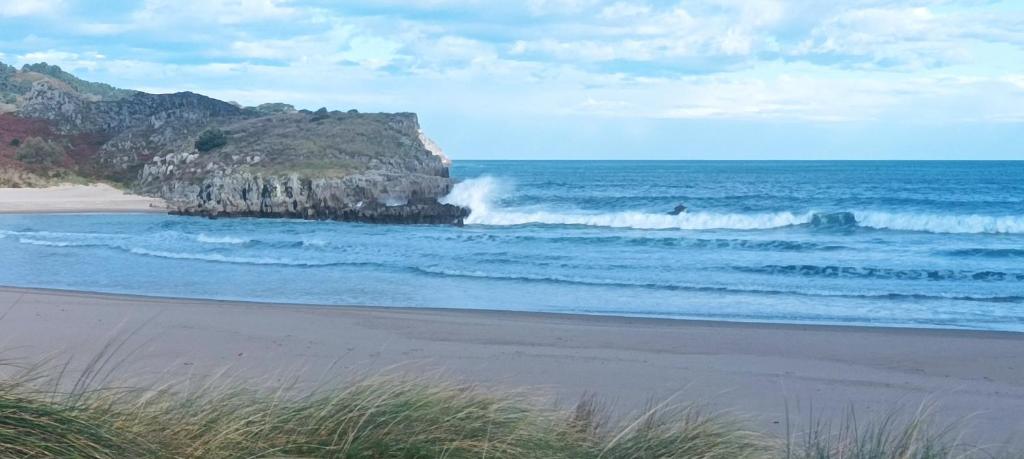
Campsite · Noja
Campsite with one- and two-bedroom bungalows in Noja, Cantabria, 100 metres from Ris beach, with heated indoor pool, spa and free private parking.
Most are concentrated along the coast. In Trasmiera, the strip between the Bay of Santander and the Santoña marshes, there are campsites near the beaches of Noja, Isla, Ajo and Loredo: long stretches of sand and meadows running to the cliff edge. It is the easiest area if you are travelling as a family or want to spend your days between beach and walks. If you come over on the ferry or fly into Santander, this stretch is an easy first stop.
Further west, on the western coast, Suances, Ruiloba and Santillana del Mar let you combine sea and sightseeing: the medieval town and the Altamira museum with its replica cave on one side, Comillas and the Oyambre area on the other. The original Altamira cave is closed to visitors, so the museum is where you go. Santander suits anyone who wants a city, a port and the Sardinero beaches.
Inland, the mountains are the other option. In Liébana, around Cabezón de Liébana, the setting changes completely: narrow valleys, stone villages and the Picos de Europa as a backdrop, good for walking. The interior, such as the area around Coo, is quieter and greener, far from the bustle of the coast.
Each campsite organises its accommodation in its own way: some offer only pitches for a tent, caravan or motorhome, and others may also have fixed accommodation, so check before you book. Look at the campsite's rules on pets, noise and arrival times too.
Many campsites open for only part of the year, so confirm dates with the campsite before you plan anything, especially outside summer and around Easter or Spanish long weekends. July and August are high season, and August is the Spanish holiday month: the coast fills up and you need to book well ahead. June and September are usually calmer, with the sea still pleasant. The climate is Atlantic, so bring a warm layer and a waterproof even in midsummer, as you would at home.
If you would like a proper roof, you can also look at the rest of the places to stay in the region in Cantabria.
Not all of them. Some open only for the season and others may close in winter. Dates vary from one campsite to another and from year to year, so the sensible thing is to ask the campsite directly before you plan the trip.
It depends on the campsite. Some have only pitches for a tent, caravan or motorhome; others may also offer cabins or other accommodation. Ask which type it has and what is included, without taking anything for granted.
The Trasmiera coast, with beaches such as Noja, Isla, Ajo and Loredo, is usually the easiest, because the sands are long and the villages are close by. For a quieter plan, look inland or at Liébana.
Yes, in the Liébana area around Cabezón de Liébana, with access to Potes and the walking routes of the Picos de Europa. In summer and on long weekends it is wise to book early.